
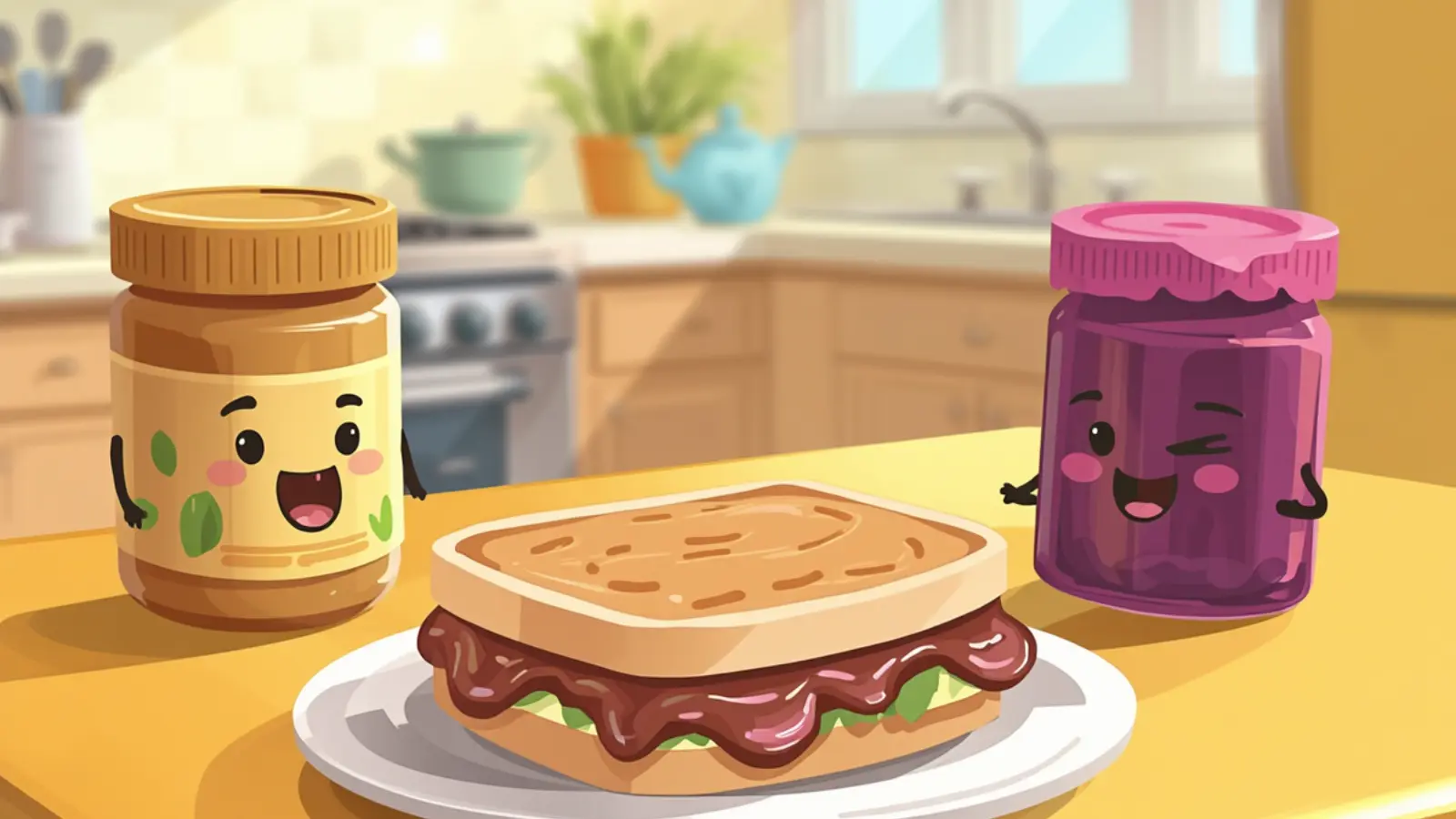
Have you ever heard a joke so simple that it sticks in your mind all day like peanut butter on toast? That’s exactly the magic behind the classic humor question: what’s the difference between peanut butter and jam joke.
It sounds silly at first, but that’s where its charm begins.
Humor like this works because it blends everyday food, childhood memories, and playful word associations into something unexpectedly funny.
People don’t just laugh at the punchline they connect with it emotionally.
Peanut butter reminds us of sticky sandwiches, school lunches, and comfort food. Jam brings sweetness, color, and nostalgia.
When both are placed into a joke format, the brain instantly searches for meaning, wordplay, and surprise. That’s where laughter is born.
In this article, we’re diving deep into the psychology, humor structure, cultural meaning, and creative variations of the joke.
Get ready for a long, funny, and surprisingly insightful journey that turns a simple question into a full-blown humor study.
1. what’s the difference between peanut butter and jam joke in Childhood Lunchbox Memories
- 🥪 Peanut butter sandwiches feel like school-time comfort food that sticks with you emotionally.
- 🍓 Jam sandwiches remind us of sweet, colorful childhood mornings full of energy.
- 🧒 The joke connects instantly because it mirrors everyday lunchbox experiences.
- 😄 Kids naturally enjoy comparing flavors, making humor feel relatable and simple.
- 🏫 School tiffin breaks often sparked funny food debates among friends.
- 🧠 The brain stores food memories strongly, enhancing joke recall.
- 🍞 Toast + spread = universal childhood bonding experience.
- 🎒 Many people first heard playful food jokes in classrooms or playgrounds.
- 🤭 The humor feels innocent, making it safe and enjoyable for all ages.
- 🍯 Sticky foods metaphorically represent sticky jokes that stay in memory.
- 🧃 Lunchbox humor often builds social bonding among children.
- 😂 The contrast between sweet jam and nutty peanut butter adds playful tension.
- 🧡 Nostalgia increases emotional reaction to simple jokes.
- 🌈 Childhood food humor becomes a lifelong memory trigger.
2. what’s the difference between peanut butter and jam joke in Wordplay Psychology
- 🧠 The joke relies heavily on semantic word association.
- 🎭 Humor comes from expectation vs. surprise.
- 🔤 “Difference” sets up a cognitive puzzle in the mind.
- 😆 The brain searches for hidden meaning instantly.
- 🍇 Jam represents sweetness in linguistic contrast.
- 🥜 Peanut butter symbolizes heaviness and stickiness in metaphor.
- ⚡ The punchline often breaks logical thinking patterns.
- 🎯 Wordplay triggers dopamine release when understood.
- 🧩 Simple structure makes it easy to decode quickly.
- 🗣️ Language-based humor strengthens memory retention.
- 🎨 Abstract thinking enhances joke appreciation.
- 📚 The joke teaches linguistic flexibility in a fun way.
- 😜 Unexpected comparisons increase comedic effect.
- 🔍 Meaning is less important than emotional reaction.
3. what’s the difference between peanut butter and jam joke in Meme Culture
- 📱 Social media spreads this joke in meme formats quickly.
- 😂 Simple jokes perform best in viral content.
- 🔥 Relatable food humor increases engagement rates.
- 🧃 Meme creators use peanut butter vs jam for contrast visuals.
- 📸 Split-image memes amplify comedic timing.
- 🧠 Quick humor is perfect for short attention spans.
- 💬 Comment sections often remix the joke creatively.
- 🚀 Virality comes from easy understanding and sharing.
- 🎯 Memes simplify complex humor into visual storytelling.
- 🥪 Food memes connect across cultures universally.
- 🌍 Global audiences understand basic food comparisons easily.
- 😆 Meme repetition strengthens joke recognition.
- 🎨 Visual humor enhances textual punchlines.
- 📢 The joke evolves through internet creativity.
4. what’s the difference between peanut butter and jam joke in Everyday Conversations
- 🗨️ People use this joke to break awkward silence.
- 😄 It works as an icebreaker in social settings.
- 🍞 Food topics are universally relatable conversation starters.
- 🧠 Simple humor reduces social tension instantly.
- 🤝 Shared laughter builds instant connection.
- 🎉 Casual jokes improve group atmosphere.
- 🧃 Light humor is safe for all personalities.
- 🧡 The joke doesn’t require explanation to be funny.
- 🥪 Everyday food makes humor feel natural.
- 😂 People often adapt the joke into personal versions.
- 🎭 Conversational humor increases likeability.
- 📢 Repetition in chats keeps humor alive.
- 🌈 Friendly jokes strengthen relationships.
- 💬 Easy humor improves communication flow.
5. what’s the difference between peanut butter and jam joke in Classroom Humor
- 🏫 Teachers sometimes use food jokes to engage students.
- 😂 Students remember lessons better with humor.
- 🧠 Funny comparisons improve cognitive retention.
- 🍓 Jam vs peanut butter creates visual imagination.
- 📚 Humor reduces classroom stress.
- 🎒 Students bond over shared jokes.
- 😆 Light comedy improves attention span.
- 🧃 School humor often becomes lifelong memory.
- 🎯 Jokes help explain abstract thinking concepts.
- 🗣️ Encourages participation in class discussions.
- 🧡 Builds positive learning environment.
- 🍞 Food-based jokes are universally safe in schools.
- 🎉 Humor boosts classroom energy.
- 📖 Learning becomes more enjoyable through laughter.
6. what’s the difference between peanut butter and jam joke in Cultural Humor Styles
- 🌍 Different cultures interpret food humor differently.
- 🥜 Peanut butter is more popular in Western cultures.
- 🍓 Jam appears in many global breakfast traditions.
- 😂 Humor bridges cultural differences easily.
- 🧠 Food-based jokes are universally understood.
- 🎭 Cultural humor often uses familiar items.
- 🧃 Shared foods create global connection points.
- 🍞 Bread-based humor is widely recognized.
- 🌈 Cross-cultural jokes promote unity.
- 📢 Simple humor translates across languages.
- 😄 Food jokes reduce cultural barriers.
- 🧡 Shared laughter creates global bonding.
- 🎯 Universal humor relies on simplicity.
- 🌍 This joke works almost anywhere in the world.
7. what’s the difference between peanut butter and jam joke in Relationship Humor
- ❤️ Couples often use food jokes playfully.
- 😂 Humor strengthens emotional bonds.
- 🧠 Shared jokes increase relationship satisfaction.
- 🍓 Sweet vs salty becomes romantic metaphor.
- 🥪 Food humor adds fun to conversations.
- 😄 Light teasing improves intimacy.
- 💬 Jokes reduce relationship tension.
- 🎯 Playful humor shows emotional comfort.
- 🧡 Shared laughter builds trust.
- 🌈 Simple jokes prevent overthinking.
- 🧃 Everyday humor keeps romance alive.
- 🎭 Couples enjoy personalized joke versions.
- ❤️ Humor increases emotional attraction.
- 😂 Laughing together strengthens connection.
8. what’s the difference between peanut butter and jam joke in Social Media Trends
- 📱 Viral humor spreads fast online.
- 😂 Short jokes dominate TikTok and reels.
- 🔥 Food memes perform consistently well.
- 🧠 Attention span favors simple humor.
- 📸 Visual memes enhance joke appeal.
- 🎯 Hashtags increase joke visibility.
- 🧃 Peanut butter content trends repeatedly.
- 🍓 Jam adds color to meme aesthetics.
- 🚀 Engagement grows with relatable humor.
- 💬 Comments remix original joke formats.
- 🌍 Global sharing boosts popularity.
- 😆 Repetition strengthens meme identity.
- 🎨 Creativity keeps joke evolving.
- 📢 Social platforms amplify humor reach.
9. what’s the difference between peanut butter and jam joke in Emotional Intelligence
- 🧠 Humor reflects emotional awareness.
- 😄 Simple jokes improve mood instantly.
- ❤️ Shared laughter increases empathy.
- 🎯 Emotional connection forms through humor.
- 🧃 Food jokes reduce anxiety.
- 🥪 Familiar items create comfort.
- 😂 Laughter releases stress hormones.
- 🌈 Positive emotions improve thinking.
- 🧡 Humor strengthens social intelligence.
- 💬 Jokes help express feelings indirectly.
- 🎭 Light humor prevents emotional overload.
- 🍞 Everyday humor feels safe.
- 📢 Emotional bonding increases through laughter.
- ❤️ Humor builds resilience in relationships.
10. what’s the difference between peanut butter and jam joke in Creative Writing
- ✍️ Writers use food humor for relatability.
- 🧠 Simple comparisons inspire storytelling.
- 🎭 Humor enhances narrative flow.
- 🍓 Jam adds sweetness to metaphors.
- 🥜 Peanut butter adds texture symbolism.
- 😂 Jokes improve reader engagement.
- 📚 Creative writing uses everyday objects.
- 🧃 Food imagery strengthens descriptions.
- 🎯 Humor breaks monotony in text.
- 🌈 Writers use contrast for effect.
- 🧡 Emotional tone improves with humor.
- 📖 Relatable content increases readability.
- 🎨 Wordplay enriches storytelling.
- ✨ Humor makes writing memorable.
11. what’s the difference between peanut butter and jam joke in Advertising Humor
- 📢 Brands use humor to attract attention.
- 😂 Food jokes increase product relatability.
- 🧠 Simple humor improves brand recall.
- 🍓 Jam ads use sweetness messaging.
- 🥜 Peanut butter ads emphasize energy.
- 🎯 Humor boosts marketing engagement.
- 📱 Social ads rely on quick jokes.
- 🧃 Food metaphors increase emotional appeal.
- 🚀 Funny ads get more shares.
- 💬 Humor builds brand personality.
- 🌍 Universal jokes reach global audiences.
- 😄 Light comedy improves trust.
- 🧡 Emotional ads perform better.
- 📢 Humor increases conversion rates.
12. what’s the difference between peanut butter and jam joke in Memory Retention Science
- 🧠 Humor improves memory encoding.
- 😂 Funny content is easier to recall.
- 🍓 Emotional association strengthens retention.
- 🥜 Sticky metaphors improve recall power.
- 🎯 Simple structure aids understanding.
- 📚 Repetition enhances memory.
- 🧃 Food imagery boosts mental mapping.
- 😄 Laughter activates brain reward systems.
- 🌈 Positive emotion improves learning.
- 🧡 Humor creates mental anchors.
- 🎭 Jokes reduce cognitive load.
- 📢 Engagement improves retention speed.
- ✨ Emotional triggers strengthen recall.
- 🧠 Funny content stays longer in memory.
13. what’s the difference between peanut butter and jam joke in Daily Motivation
- 🌞 Humor boosts morning mood.
- 😂 Simple jokes reduce stress.
- 🧠 Positive thinking improves productivity.
- 🥪 Comfort food humor feels grounding.
- 🍓 Sweet humor lifts emotions.
- 🎯 Motivation increases with laughter.
- 🧡 Emotional positivity improves focus.
- 📢 Funny breaks increase energy.
- 🌈 Humor resets mental fatigue.
- 😄 Laughter improves creativity.
- 🧃 Light jokes refresh the mind.
- 🎭 Humor prevents burnout.
- ❤️ Positive jokes build resilience.
- ✨ Daily laughter enhances motivation.
14. what’s the difference between peanut butter and jam joke in Internet Evolution
- 🌍 Internet spreads humor globally.
- 📱 Simple jokes become viral instantly.
- 😂 Memes evolve from basic humor.
- 🧠 Digital culture favors short content.
- 🍞 Food jokes are universally understood.
- 🚀 Viral trends grow through sharing.
- 🎯 Algorithms boost engaging content.
- 💬 Comments remix jokes creatively.
- 🧃 Food metaphors remain timeless.
- 🌈 Online humor crosses borders.
- 😄 Simple jokes dominate feeds.
- 📢 Internet preserves classic humor.
- 🧡 Shared laughter connects users.
- ✨ The joke evolves with digital culture.
FAQ: what’s the difference between peanut butter and jam joke
1. Why is the peanut butter and jam joke so popular?
The joke is popular because it uses simple, relatable food items that most people recognize. Peanut butter and jam represent contrasting flavors and textures, which makes the comparison naturally funny. The humor is easy to understand, quick to process, and emotionally connected to childhood memories, making it highly shareable and memorable across cultures.
2. What makes this joke funny from a psychological point of view?
The humor works through expectation and surprise. Your brain expects a logical “difference,” but instead, it encounters playful word associations. This mismatch triggers a cognitive shift that results in laughter. The familiarity of peanut butter and jam also strengthens emotional engagement, making the joke feel both simple and satisfying.
3. Can this joke be used in classrooms or learning environments?
Yes, it is often used in classrooms because it is light, safe, and relatable. Teachers sometimes use similar humor to make students more engaged and relaxed. Food-based jokes like this improve attention span and help students remember lessons more effectively by linking humor with learning experiences.
4. Why do people relate food jokes to emotions?
Food is strongly connected to memory, comfort, and childhood experiences. Peanut butter often represents comfort, while jam represents sweetness and joy. These emotional associations make food jokes more powerful because they activate both memory and feelings at the same time.
5. Is the peanut butter and jam joke used in memes?
Yes, it is widely used in memes because of its simplicity and visual potential. Meme creators often pair peanut butter and jam images with humorous captions to create relatable content. Its universal recognition makes it perfect for social media platforms like Instagram, TikTok, and Facebook.
6. How does this joke spread on social media so quickly?
It spreads quickly because it is short, easy to understand, and visually adaptable. Social media algorithms favor engaging content, and simple humor tends to get more likes, shares, and comments. This increases visibility and helps the joke go viral across different audiences.
7. What is the deeper meaning behind this joke?
While it seems simple, the joke reflects how humans find humor in everyday comparisons. It highlights the brain’s tendency to search for meaning even in trivial questions. It also shows how language, culture, and shared experiences shape what we find funny.
8. Can this joke be adapted into different versions?
Yes, it can be easily adapted by replacing peanut butter and jam with other food items or objects. People often create personalized versions to make it more relatable or situational. This flexibility is one reason the joke remains timeless and widely used.
Conclusion
At its core, the what’s the difference between peanut butter and jam joke is more than just a silly question it’s a reflection of how humans connect through humor, memory, and everyday experiences.
From childhood lunchboxes to viral memes, this simple joke has traveled across cultures, platforms, and emotions, proving that the smallest ideas often create the biggest laughs.
It reminds us that humor doesn’t need complexity; it only needs relatability, timing, and a little sweetness mixed with stickiness.

Lucas Hayes delivers smart comedy articles and funny conversational content for readers of laughliy.com.